5 Signs Your Coachella Valley Home Needs Home Watch
Updated: Oct 12

A desert home can look perfectly calm from the street while small problems build quietly inside. Between triple-digit summers, wind, dust, monsoon storms, and the occasional power outage, a Coachella Valley house that nobody visits is exposed to more than most owners expect.
Home watch is a scheduled, visual check of your property while you are away, with a photo report after each visit. It is not security, property management, or repair (more on that below). If one or more of the five situations here sounds familiar, it is worth a closer look.
1. The house sits empty for weeks or months at a time
This is the most common reason owners sign up. Seasonal residents leave for the summer, second-home owners visit a few weekends a year, and a long stretch can go by without anyone walking through the front door. A problem that would be obvious to someone living in the house can go unnoticed for a long time in a vacant one.
Things a live-in owner would catch quickly, but an empty house hides:
A slow drip under a sink, or a toilet that keeps running
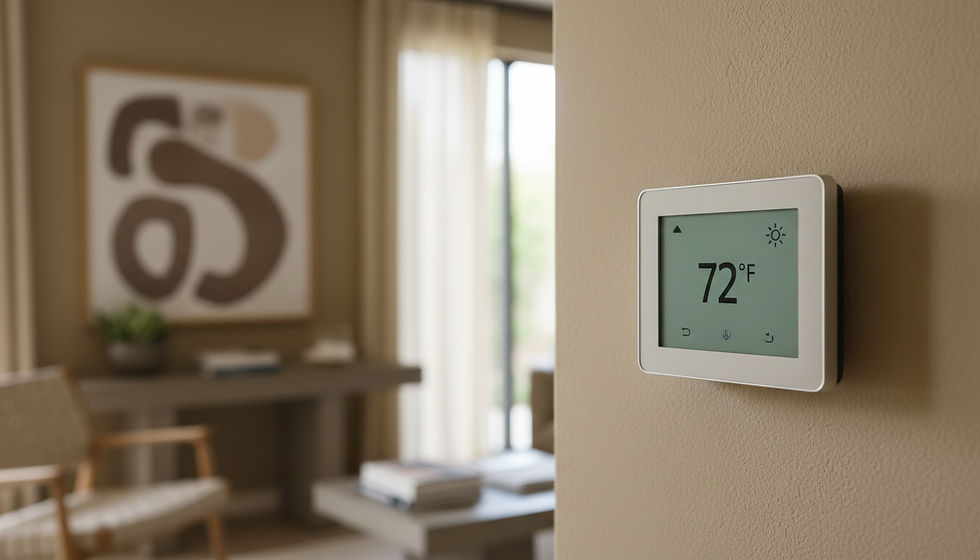
A thermostat reading that looks wrong for the season
A musty smell near a utility closet or bathroom
A door or gate that is not fully secure
Signs of pests near entry points
Dust and debris blown in after a windy week
A weekly visit shortens the time between a problem becoming visible and someone noticing it. It does not guarantee that nothing will go wrong. It means a visible issue should be spotted at the next weekly visit rather than months later.
2. Your home depends on systems and vendors you cannot supervise
HVAC, plumbing, irrigation, pool equipment, gates, and smart-home devices all keep running while you are gone, and so do the people who service them. The pool technician looks at the pool. The landscaper looks at the landscape. Each is focused on their own job.
A home watch visit is a broader look at the whole property. That wider view is how you notice irrigation overspray hitting a wall, a wet spot near pool equipment, or an interior that is warmer than it should be. It is also a way to see whether a scheduled vendor visit actually happened. If you want someone present when a vendor arrives, read our guide to coordinating vendors and contractors while you are out of town.

3. Your only eyes on the house are a camera, an app, or a neighbor
Cameras, leak sensors, and smart thermostats are useful, and so are friendly neighbors. But each sees only part of the picture. A camera shows the driveway, not the stain under a bathroom vanity. A thermostat app reports a number, not an odd smell. A neighbor may glance at the front door, but is unlikely to walk the property with a checklist.
If you are weighing these options against each other, our guides to smart sensors versus home watch and who should check on your home while you are away go through the trade-offs.
4. You have already had a leak, an AC failure, or a storm cleanup
A past problem does not mean it will happen again. It does show that your house can be vulnerable when nobody is home. Desert conditions add their own pressures: summer heat strains cooling systems, wind pushes debris against doors and into drains and pools, monsoon moisture can expose roof and drainage weak spots, and power interruptions can leave appliances and climate settings in an unexpected state.
After a repair, your first call is usually to the contractor. A weekly visit adds the next layer: a regular look at whether anything has changed since.
5. You want documentation, not a text that says "looks fine"
A good report is specific. After every visit you should receive the date and time, what was observed, photos, and a plain note on anything that needs attention. That record is useful in three ways: you can see the house without being there, you can forward a photo to a contractor, and you have a time-stamped history if something is ever in question.
Desert Estate Home Watch sends a photo report after every visit. For a closer look at what belongs in one, read what a good home watch report should include.

What home watch does and does not do
Home watch is a visual, non-invasive observation. It is not security, law enforcement, emergency response, property management, a home inspection, or repair. When we notice a concern, we contact you promptly with photos and you decide who to call. If you are unsure where those lines fall, home watch versus property management, security, and inspections explains the differences.
Frequently asked questions
How many of these signs do I need before home watch makes sense?
There is no magic number. Even one can be enough, such as a home that sits empty through the summer. Two or more usually means the benefit is clear.
Is home watch worth it if I already have a security system?
An alarm detects intrusion. It will not notice a slow leak, a failing cooling system, or storm debris. The two do different jobs, and many owners use both.
What if my home is only empty for a few weeks at a time?
Short absences are where small problems can go unnoticed too, particularly in summer heat. If you travel often, a regular weekly check is more reliable than occasional favors.
How soon can service start?
After you request a consultation, we review your property details, speak with you, and complete the service agreement and onboarding. A request on its own does not start service.
Is it time to set it up?
If you recognized your own home in two or more of these signs, a consultation is a low-pressure way to find out what makes sense. Desert Estate Home Watch visits once a week, every week, year-round, in Palm Desert, La Quinta, Indian Wells, Rancho Mirage, and Indio. Plans start at $249 a month. See pricing or request a consultation.


Comments